We are broadly interested in research that addresses healthy development of emotions, personality, and identity. We usually focus on studying people from high school, college, and early adult community settings.
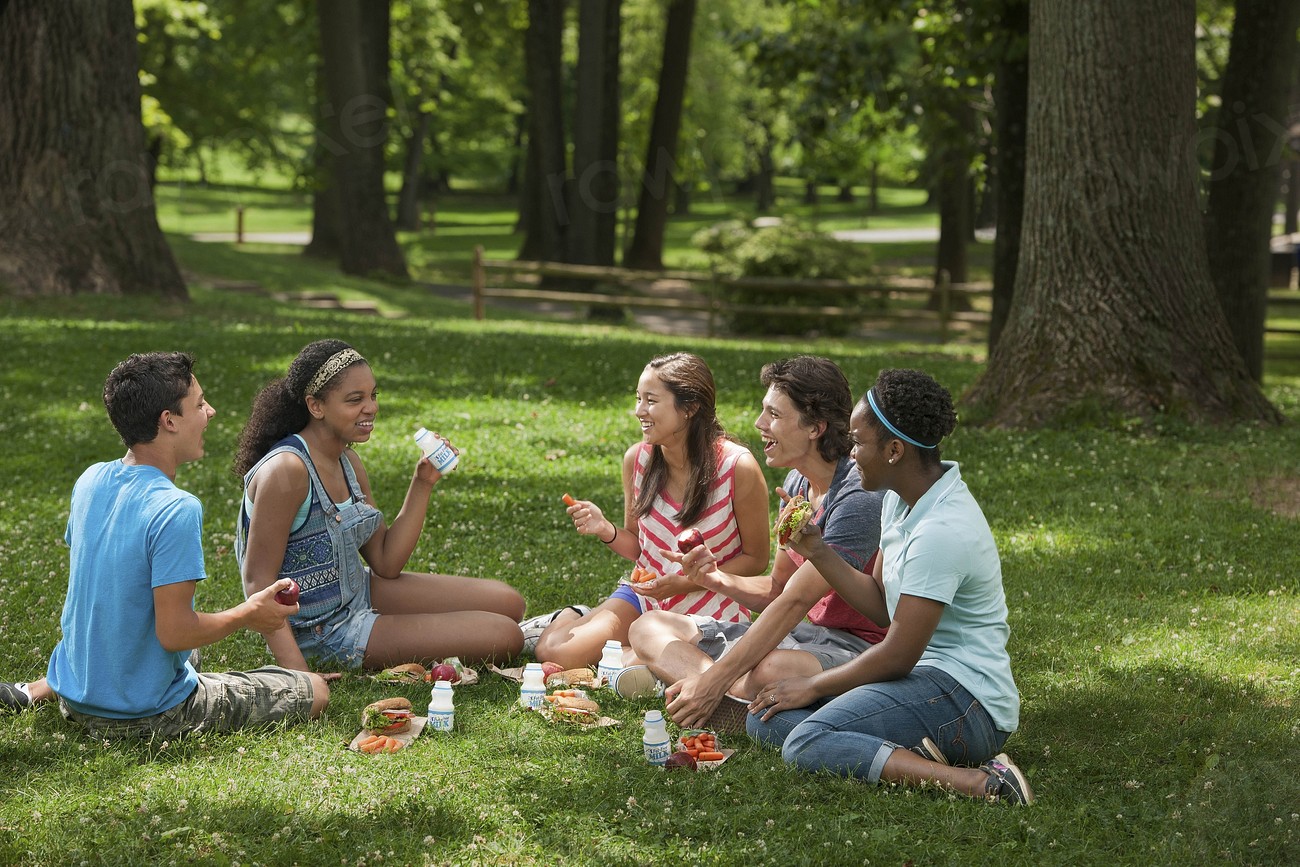
Through the different projects housed within the lab and rich collaborations with colleagues, we are able to consider aspects of change and development in these important topics and their roles in personal and social adjustment.
Some of the tools we use in addressing aspects of adjustment and functioning include self-reports and questionnaires, recorded behaviors and social interactions, and autobiographical reminiscing of important lived experiences.
Current Projects:
How Might Individual Differences in Sensitivity be Relevant for Psychological Adjustment and for Meaning Making in Life?
People differ in all sorts of important ways: their broad personality traits; the ways they tend to express emotions or have energy across the day; and so on. An important area where people could also differ is in how sensitive or responsive they are to their surrounding environments. In projects led by Chloe Johnson, we have had the oppportunity to ask how young adults differ in concepts of sensory processing sensitivity, how we think about reliably measuring sensitivity, and the ties between sensitivity and psychological adjustment. Across multiple projects, Chloe has been asking college adults to report on sensitivity and is looking at other aspects of personality and storytelling to consider hints between being more sensitive to emotions and body cues and relevance for mental health and adjustment.
How are Inattention, Impulsivity, and Life Storytelling Related?
There tend to be important links between aspects of mental health and the ways people go about forming life stories and drawing insights from their life stories. For example, depression has been linked to heavier uses of negative emotions across recounted life events as lower expressions of agency and growth in the life story. In a project led by Emily Schroeder, we are expanding focus to ADHD symptoms and possible ties to life storytelling. ADHD involves challenges with inattentive and impulsive problems, and while much of the focus on studying and treating ADHD is placed on children, ADHD can remain a challenge for older teens and adults as evidenced by the broad use of learning support services and quiet testing accommodations used across college settings. Emily has been collecting data about endorsements of ADHD problems, other high-level cognitive skills for planning and reasoning, and shared life stories about important, self-defining memories from college students. She will be considering how students differ in expressions of life story details and organization and whether aspects of life storytelling are linked to ADHD symptoms and broader cognitive skills.
Recent Projects:
What are the Impacts of COVID-based Disruptions on the College Career and Identity Development?
The COVID-19 pandemic has been a global, long-lasting threat to the lives and livelihoods of people from all walks of life. It also introduced an unfortunate, but an important topic in how development might be impacted, and how people might continue to function and recover over time. In collaboration with partners across multiple university settings (i.e., Emory University, University of Kansas, University of Utah, Western Washington University), we have been considering how college adults made sense of life during early COVID shutdowns and across the years to follow. We also tracked reports of mental health, identity development, and well-being, consideirng the ways abrupt departures from on-campus living and learning might shape these other areas. We tracked what were first-year students in Spring 2020 across the following four years to understand COVID impacts over the college career.
So far, research findings have pointed to important and lasting impacts of the pandemic on health and functioning for college adults.
- Booker, J. A., Ell, M., Fivush, R., Greenhoot, A. F., McLean, K. C., Wainryb, C., & Pasupathi, M. (2022). Early impacts of college, interrupted: Considering first-year students’ narratives about COVID and reports of adjustment during college shutdowns. Psychological Science, 33(11), 1928–1946. https://doi.org/10.1177/09567976221108941
- Pasupathi, M., Booker, J. A., Ell, M. A., Greenhoot, A. F., McLean, K. C., Wainryb, C., & Fivush, R. (2022). College, interrupted: Profiles in first-year college students responses to the COVID-19 pandemic across one year. Emerging Adulthood, 10(6), 1574–1590.
In particular, adults mentioned extensive worries about learning, professional development, relationships, and health for themselves and their loved ones–not only during Spring and Summer 2020, but across the following year where most activities remaining remote and online for people across the US.
- Greenhoot, A. F., Fivush, R., Booker, J. A., & Pasupathi, M. (2022, January). Student stories from the pandemic: How research informs institutional response. American Association of Colleges & Universities, Washington, D.C.
Upcoming Projects/Research Questions:
What are the Messages Youth in Rural Communities Receive about College and Work Opportunities? What are the Implications for Motivation and Identity?
What Does Life Storytelling Look Like between Black Fathers and Teens?
 The Milestones Lab at Mizzou